

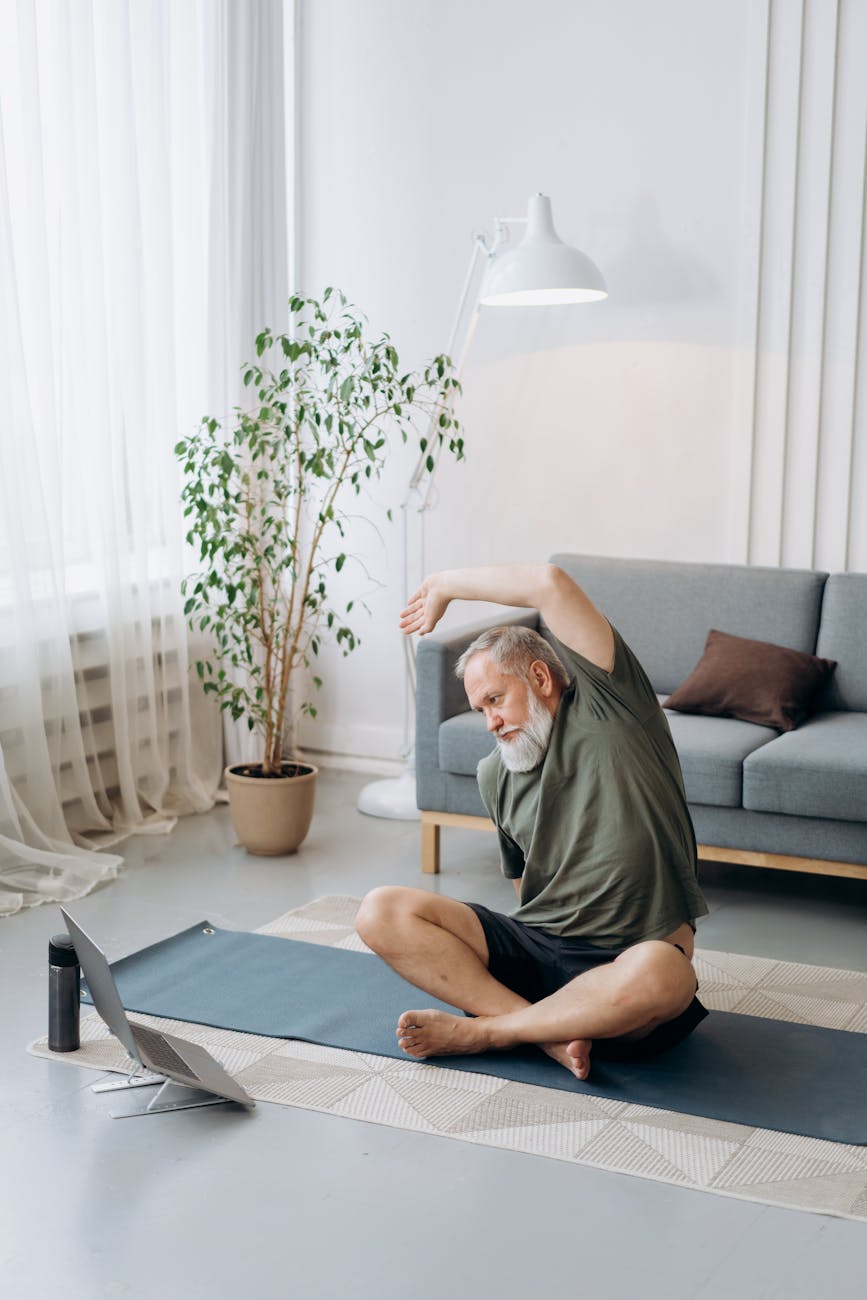
Aging is something we all share—it’s part of being human. But while no cream, supplement, or “miracle cure” can stop the clock, science does tell us that certain habits can help us age more gracefully. On the other hand, stress—especially the relentless kind that comes from work, family, and the daily grind—can speed up the process.
If you’re feeling overwhelmed, stretched too thin, and noticing the impact on your body or energy, you’re not alone. The good news? You don’t have to figure it all out yourself. Coaching can offer a safe, structured way to explore healthier habits, reduce stress, and find more balance—so you feel more like yourself again.
What Science Says Really Works
There’s plenty of noise in the “anti-aging” world, but here’s what research consistently supports:
- Eat more whole, plant-based foods. Diets like the Mediterranean and MIND have been linked to better heart and brain health, and even a slower pace of biological aging【health.com】.
- Exercise with intention. Cardio and strength training not only keep your body strong but also support memory, focus, and mood【tomsguide.com】.
- Prioritize deep sleep. Restful sleep allows your cells to repair and helps reduce inflammation—a hidden driver of aging【verywellmind.com】.
- Stay connected. Loneliness increases the risk of cognitive decline. Meaningful social connections help protect both mental and physical health【health.com】.
- Supplement wisely. Some studies suggest vitamin D, omega-3s, and combined healthy lifestyle choices may slow cellular aging. But supplements work best as part of a bigger wellness picture, not quick fixes【nypost.com】【health.com】.
How Stress Speeds Up Aging

You probably know stress doesn’t feel good—but its effects go much deeper than a bad day.
- At the cellular level, stress shortens telomeres, the “caps” on our DNA that protect it from damage【nih.gov】. Shorter telomeres are linked to faster aging.
- Chronic stress fuels inflammation, known as “inflammaging,” which damages tissues and weakens the immune system【usc.edu】.
- Burnout leaves less time for recovery, robbing your body of the repair cycles it needs during sleep and downtime.
If you’ve ever noticed yourself looking or feeling older after a particularly stressful season at work, there’s real science behind that.
Where Coaching Comes In
Coaching won’t stop the clock—but it can help you find the balance you’ve been missing, which science shows may improve your wellness outcomes and help you feel younger, longer.
A coach provides:
- Stress management strategies like mindfulness, boundary-setting, and realistic pacing.
- Accountability for healthy routines so you don’t just start new habits—you keep them.
- Guidance on balanced nutrition and activity tailored to your lifestyle.
- A safe, judgment-free space to pause, reflect, and re-imagine how you want to live.
Think of it this way: coaching is not about making promises—it’s about making space for you to prioritize yourself again.
Quick Reference: Healthy Aging at a Glance
| Focus Area | What Works (Proven by Research) | How Coaching Helps |
| Nutrition & Supplements | Plant-based diets, vitamin D & omega-3 support | Accountability to make sustainable changes |
| Exercise | Cardio + strength slows biological aging | Personalized plans, motivation, consistency |
| Sleep | Deep, restorative sleep reduces inflammation | Tools for better sleep hygiene |
| Social Connection | Engagement protects against decline | Encouragement to build meaningful networks |
| Stress Management | Lower stress preserves telomeres & immunity | Mindfulness, work-life balance strategies |
A Real-Life Story: Finding Balance Through Coaching

One of my clients came to coaching overwhelmed by anxiety. She described feeling like she had “lost her spark” and couldn’t remember the last time she felt truly calm. Work and daily stress left her exhausted, and she had all but abandoned the things that once brought her joy.
Through our coaching conversations, she began to reflect on what used to light her up. Slowly, she re-discovered an old love of painting. At first it was just a few brushstrokes on a weekend, but soon it became her go-to practice for calming her nerves and reconnecting with herself.
This simple act of picking up the paintbrush again changed more than just her evenings. It gave her a renewed sense of purpose, restored her creativity, and helped her find balance in both her personal and professional life.
While coaching didn’t erase her challenges, it gave her the space and support she needed to uncover what was missing—and that has made all the difference.
The Takeaway
There is no magic pill or single solution to aging—but there are choices that matter. Stress can wear us down faster, but the right mix of nutrition, movement, sleep, and connection can help us age with strength and grace.
And while change can feel overwhelming when life is already full, coaching provides a structured way to take small, steady steps forward.
If you’re tired of feeling out of balance, coaching may be the investment you need to start putting yourself back at the center of your life—so you can show up healthier, calmer, and more present for everything else that matters.
References & Further Reading
- National Library of Medicine – Stress and Aging Mechanisms
- USC Health News – Stress and Immune System Aging
- VeryWell Mind – Sleep and Aging
- Health.com – Eating Tips for Healthier Aging
- Tom’s Guide – Structured Exercise & Biological Aging
- NY Post – Vitamin D and Telomere Research
Leave a Reply