

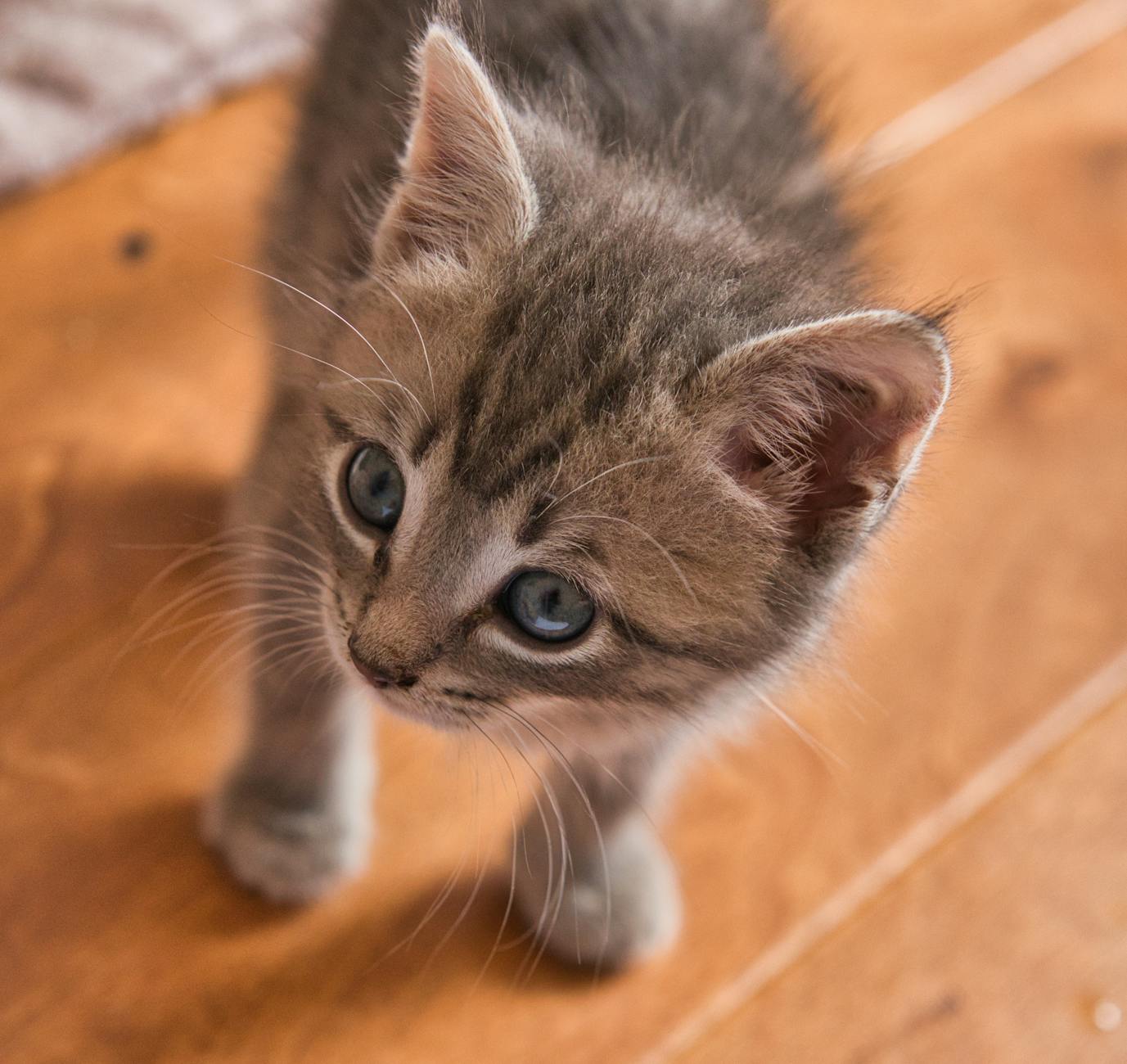
If you share your home with a cat, you may already suspect what researchers are beginning to confirm: your feline companion is doing more for your health than simply looking beautiful on the windowsill.
The relationship between cats and human wellbeing is older than modern medicine. But science is now catching up with what generations of cat lovers have known intuitively — that the presence of a purring cat does something measurable to the human body. Something calming. Something healing. Something that goes well beyond emotional comfort.
The Purr

A cat purrs by rapidly contracting and relaxing the muscles of its larynx and diaphragm, producing a continuous sound while both inhaling and exhaling. What makes this remarkable from a health perspective is its frequency. A cat’s purr typically falls between 25 and 150 hertz — a range that overlaps significantly with frequencies used in clinical vibrational therapy for bone healing, tendon repair, and pain reduction (Lyons, University of California School of Veterinary Medicine; Hand & Wrist Institute, 2024).
Research has found that vibrational frequencies in the 25–50 hertz range promote bone growth and healing in fractures. Frequencies in the 18–35 hertz range have been associated with improvements in joint mobility after injury. At 100 hertz, similar vibrations have been linked to reduced pain and improved respiratory function in patients with chronic disease. These are not the frequencies of background noise. They are the frequencies your cat generates every time it settles into your lap and begins to rumble.
The cardiovascular benefits are equally compelling. A landmark study at the University of Minnesota followed more than 4,000 adults over ten years and found that cat owners had a 40 percent lower risk of dying from a heart attack compared to non-cat owners, even after controlling for other risk factors (Qureshi et al., 2009). A separate body of research confirms that petting a cat — and hearing it purr — triggers the release of oxytocin, the bonding hormone that reduces cortisol and lowers blood pressure. Many people who spend regular time with cats experience measurable decreases in heart rate and blood pressure, reducing strain on the cardiovascular system over time (Inspira Health, 2025; Rutherford Veterinary Hospital, 2025).
Beyond the cardiovascular system, cat companionship has been associated with reduced symptoms of anxiety and depression, improved sleep quality, and a greater sense of emotional grounding in people living alone, managing chronic illness, or navigating grief. A 2020 clinical study published in the Archives of Medical Science found that technology designed to simulate the frequency and rhythm of a cat’s purr produced significant increases in parasympathetic nervous system activity — effectively calming the stress response — in volunteers experiencing moderate psychological stress (Aganov et al., 2020).
Companion and Caretaker

There is something else worth naming. The daily rituals of cat ownership — the morning feeding, the evening lap time, the soft weight of an animal choosing to be near you — create structure, continuity, and the experience of being needed. These relational anchors matter enormously for mental and emotional health. Feeling needed has been identified as a significant protective factor for psychological wellbeing, particularly in older adults, people recovering from illness, and those managing chronic loneliness.
If you have a cat, you already know this. You may have felt it before you had language for it: the way your shoulders drop when they climb into your lap, the way your breath slows to match their rhythm, the way the world becomes briefly, blessedly simpler.
Science is simply learning to say what your cat has been demonstrating all along.
Welcome the purr. It is doing more than you know.
🌸 References:
Qureshi, A.I., et al. (2009). Cat ownership and the risk of fatal cardiovascular diseases: Results from the Second National Health and Nutrition Examination Study Mortality Follow-up Study. Journal of Vascular and Interventional Neurology, 2(1), 132–135.
Aganov, S., et al. (2020). Pure purr virtual reality technology: Measuring heart rate variability and anxiety levels in healthy volunteers affected by moderate stress. Archives of Medical Science, 18(1).
Lyons, L.A. University of California School of Veterinary Medicine. Research on vibrational frequency and bone healing. [Cited via Hand and Wrist Institute, 2024; handandwristinstitute.com]
📚 Recommended Reading:
• The Healing Power of Pets by Marty Becker, D.V.M. — A veterinarian’s evidence-based exploration of the physical and emotional health benefits of human-animal bonds.
• Animals as Teachers and Healers by Susan Chernak McElroy — A moving and research-informed look at what animals — especially companion animals — offer human beings in terms of healing and spiritual growth.
• The Inner Life of Cats: The Science and Secrets of Our Mysterious Feline Companions by Thomas McNamee — A beautifully written exploration of cat behavior, cognition, and the nature of the human-cat relationship.
Leave a Reply